
Frequently Asked questions
What are the CF symptoms?
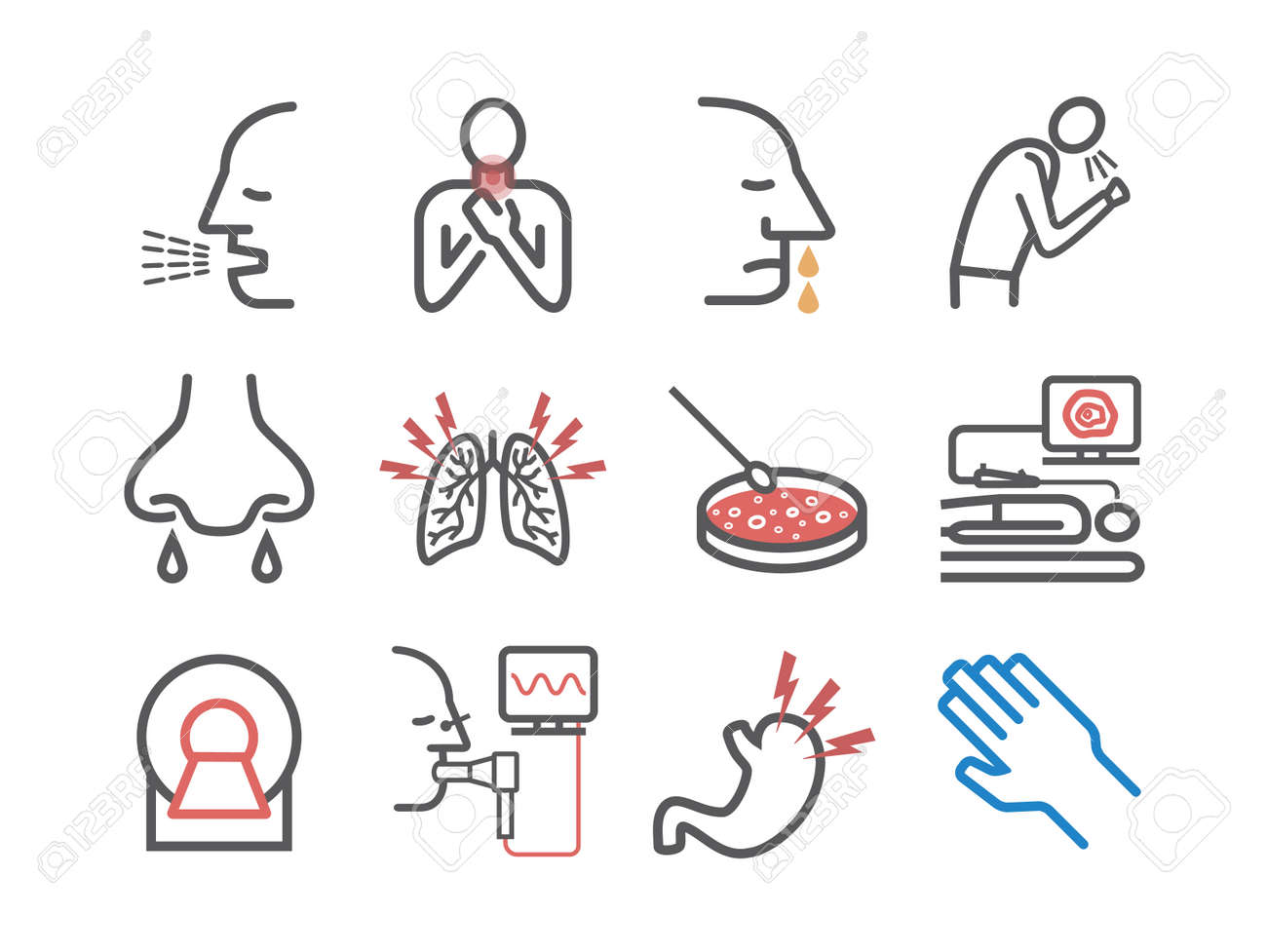
Cystic fibrosis has a wide variety of symptoms. The most common are:
- Excessive salt loss through sweat (dehydration)
- Frequent respiratory infections (bronchopneumonia, pneumonia, sniffle)
- Chronic diarrhea or fatty stools
- Thin appearance and inability to gain weight despite a good appetite
- Malnutrition in varying degrees and a slightly distended abdomen
- Chronic cough
- Shortness of breath with physical activity
- Chronic sinusitis
Is there is a cure?
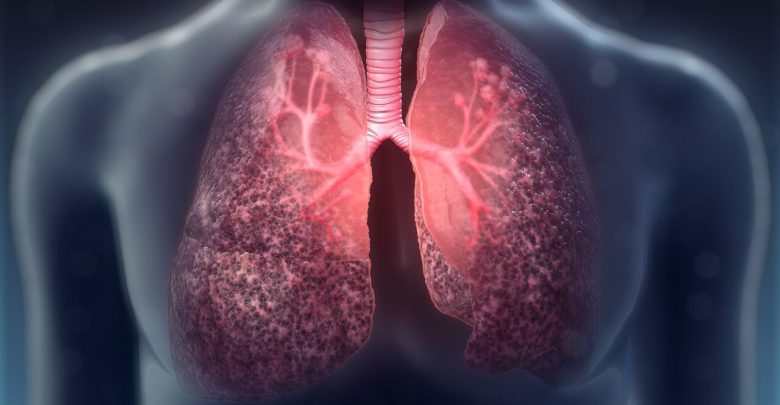
Cystic fibrosis is a complex disease for which there is currently no definitive cure. However, each year treatments improve or new ones emerge, allowing patients to develop properly and lead full and productive adult lives, as normal as anyone else’s. Among these are modulator therapies that substantially improve the quality of life and life expectancy of patients with certain genetic mutations.
What is affected by CF?
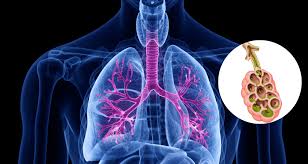
Cystic fibrosis is a disease that affects the lungs, digestive system, sweat glands, and other organs.
In the lungs, the genetic defect causes the production of abnormal, thick, and sticky mucus, which blocks the airways and provides an ideal environment for infections. These infections become more frequent as the individual ages, damaging the lungs and causing a progressive decline in lung function, leading to respiratory failure and death in early life.
In the digestive system, thick mucus blocks the flow of pancreatic enzymes necessary for normal food digestion. This impaired digestion leads to poor nutrient absorption and progressive malnutrition.
The sweat glands are also affected in CF. The sweat produced in CF is not thick or sticky; its liquid consistency and quantity remain normal. However, it contains an excessive amount of salt, 5 to 10 times higher than normal. This high salt content is the basis for diagnosing CF—the sweat test.
How does a person contract CF?
Every child born with CF faces an inherited disease that begins at conception. Symptoms appear as the child gets older, and their severity varies from person to person. For a child to be born with CF, both parents must be carriers of the disease.
Being a carrier of the CF gene means that you can transmit the disease, but you do not necessarily have it yourself. It is estimated that 1 in 60 people carry the CF gene.
Cystic fibrosis (CF) is a congenital disease with an autosomal recessive inheritance pattern. Autosomal means that both men and women can have it. Recessive means that if the CF gene pairs with a normal gene, the normal gene will be dominant (the CF gene will be recessive) and the person will not have CF. This person, however, is a carrier of the CF gene.
Thus, when both parents are carriers of the CF gene, they will have the following inheritance possibilities for each pregnancy: